
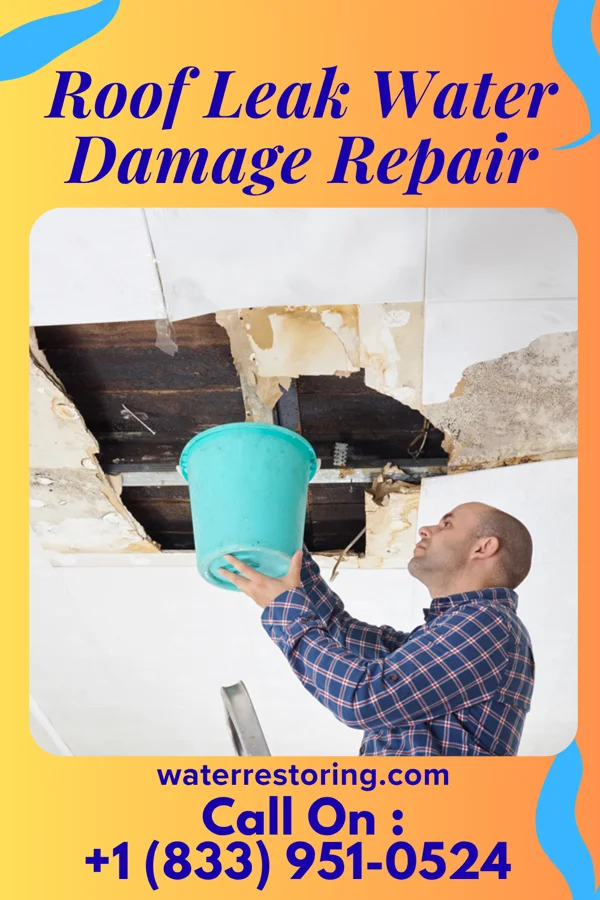
Clearwater Roof Leak Damage: What Owners Should Know
Residential or commercial, water damage emergencies in Clearwater keep coming back to the same drivers. Clearwater, Nebraska experiences frequent spring and early summer thunderstorms, which can lead to sudden heavy rainfall and wind-driven water infiltration. The region's flat terrain and open skies allow for rapid water accumulation on rooftops, increasing the risk of leaks during these periods. sits at the top of the list. A close second is In the late summer and early fall, Clearwater is prone to prolonged periods of overcast skies and steady rain, which can cause prolonged moisture exposure on roofing materials. This can lead to gradual deterioration and hidden leaks that may go unnoticed until significant damage occurs..
Clearwater's climate, characterized by cold winters and warm, humid summers, can lead to a variety of roofing issues. The freeze-thaw cycle in winter can cause shingle lift and granule loss, while summer humidity increases the risk of mold and wood rot in damaged areas.
Water damage in Clearwater follows a few local patterns. Clearwater, Nebraska experiences frequent spring and early summer thunderstorms, which can lead to sudden heavy rainfall and wind-driven water infiltration. The region's flat terrain and open skies allow for rapid water accumulation on rooftops, increasing the risk of leaks during these periods. accounts for the bulk of our calls. Clearwater's climate, characterized by cold winters and warm, humid summers, can lead to a variety of roofing issues. The freeze-thaw cycle in winter can cause shingle lift and granule loss, while summer humidity increases the risk of mold and wood rot in damaged areas. Mold can begin to grow within 48 hours of water exposure in Clearwater, especially in the humid summer months. This risk is heightened in homes with poor attic ventilation or damaged insulation, leading to secondary damage such as wood rot and structural weakening.
For public guidance on the health effects of mold after prolonged water exposure, see the EPA mold and health page.